Weekly Economic Outlook: May 11-May 17, 2026

The global economy continues to feel the impact of the prolonged Middle East conflict, especially through rising energy prices. April’s inflation numbers across major economies clearly show how higher fuel costs are slowly spreading into transportation, manufacturing, and even daily household expenses.
In China, inflation moved up to 1.2% from 1.0%, higher than market expectations of 0.8%. Transport costs jumped sharply to 4.6% from 0.9%, mainly due to higher energy prices and supply chain disruptions. However, weak consumer demand is still visible in the food segment, with food prices falling 1.6%, led by lower pork and vegetable prices. The overall picture suggests that China is facing cost pressure from global events while domestic demand remains soft.
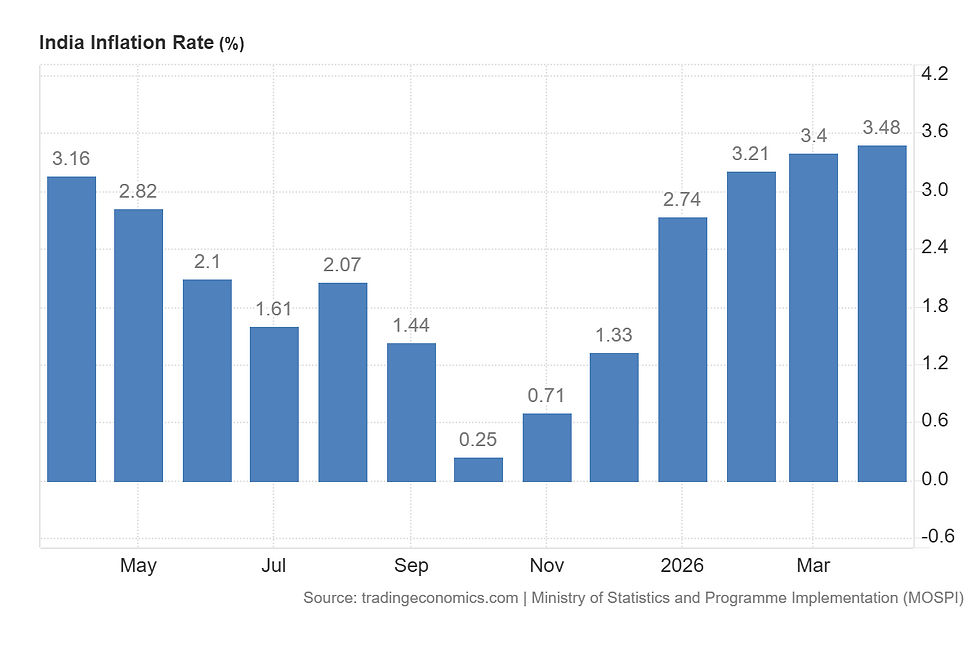
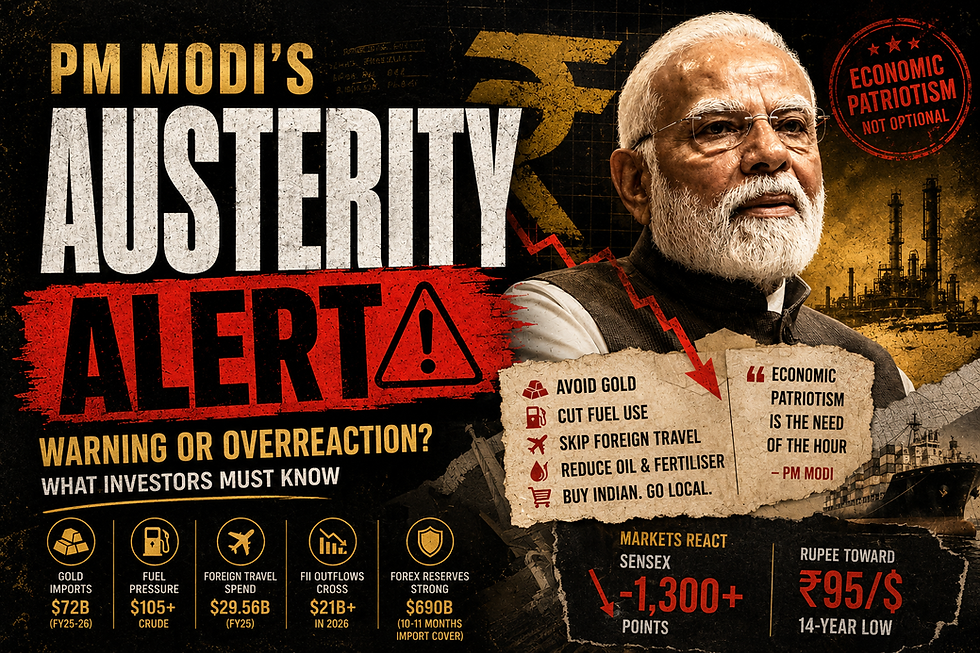
India’s retail inflation also edged higher to 3.48% in April from 3.4%, though it remained below expectations of 3.8%. Food inflation increased to 4.2%, while transportation prices stayed largely flat despite the sharp rise in global crude oil prices. On the wholesale side, however, pressure is becoming much more visible. Wholesale inflation surged to 8.30%, the highest since October 2022, driven mainly by fuel prices, which jumped 24.71%. Petrol prices rose 32.40%, while diesel prices climbed 25.19%. Manufacturing inflation also accelerated to 4.62%, showing that businesses are increasingly facing higher input costs.
Despite these pressures, some positive trends remain visible in India. Passenger vehicle sales touched a record April figure of 378,312 units, growing 2.5% year-on-year. India’s foreign exchange reserves also improved to $696.9 billion, providing some comfort to the RBI as the rupee faces pressure from rising imports and higher oil prices.
In the US, inflationary pressure remains strong. Headline inflation accelerated to 3.8%, while core inflation rose to 2.8%, both coming above expectations. Energy prices surged 17.9% year-on-year due to the Iran conflict and disruption in the Strait of Hormuz. Retail sales still grew 0.5%, indicating that consumer spending remains resilient despite rising prices.
Meanwhile, the UK economy showed better-than-expected growth in Q1 2026, with annual GDP growth reaching 1.1%, supported mainly by strong services activity and household consumption.
Overall, global markets are now closely watching energy prices, inflation trends, and central bank responses. The coming months could remain volatile as geopolitical tensions continue to influence the global economy.
Want to read more?
Subscribe to finsightsbysquareleague.com to keep reading this exclusive post.